10 Aug 2026
The Ha Giang Loop Road: Conditions, Safety and Why This Mountain Road Teaches You to Travel Slowly
Ha Giang LoopMountain RoadSafetyCultureEasy Rider
Ask anyone who has ridden the Ha Giang Loop what they remember and they rarely name a viewpoint first. They talk about the road: the way it drops into cloud and climbs out again, the corner where the Nho Que suddenly appeared, the morning it rained so hard the group stopped for tea in a stone house. We have ridden it more times than we can count, and it still changes us a little each week. This is what we tell guests about the road before they get on the bike.
What Makes the Ha Giang Loop Road Different?
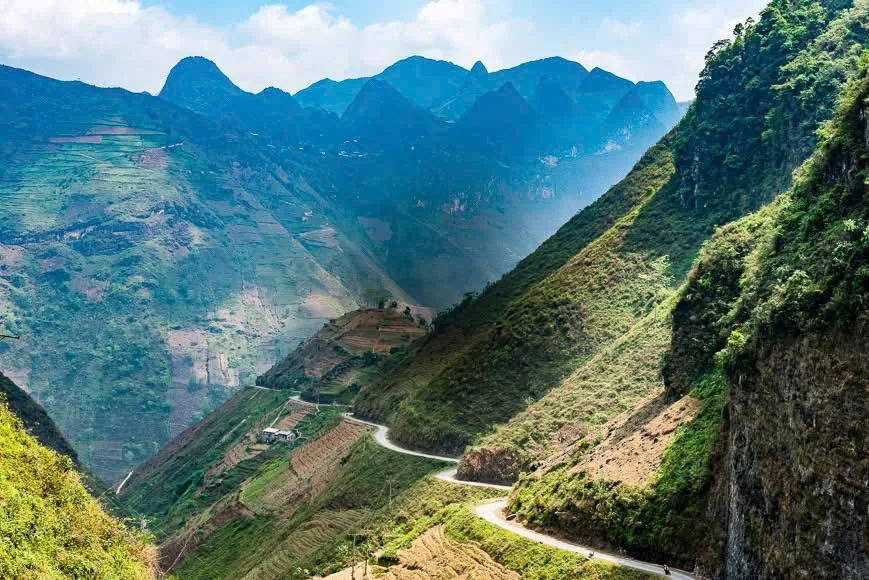
The Loop is a circuit of mountain road that begins and ends in Ha Giang city, climbing through Quan Ba to Yen Minh, crossing the plateau at Dong Van and Meo Vac, and returning by way of Mau Due and the Du Gia valleys. Most of it lies on the Dong Van Karst Plateau, a UNESCO Global Geopark of grey limestone that pushes up to the Chinese border.
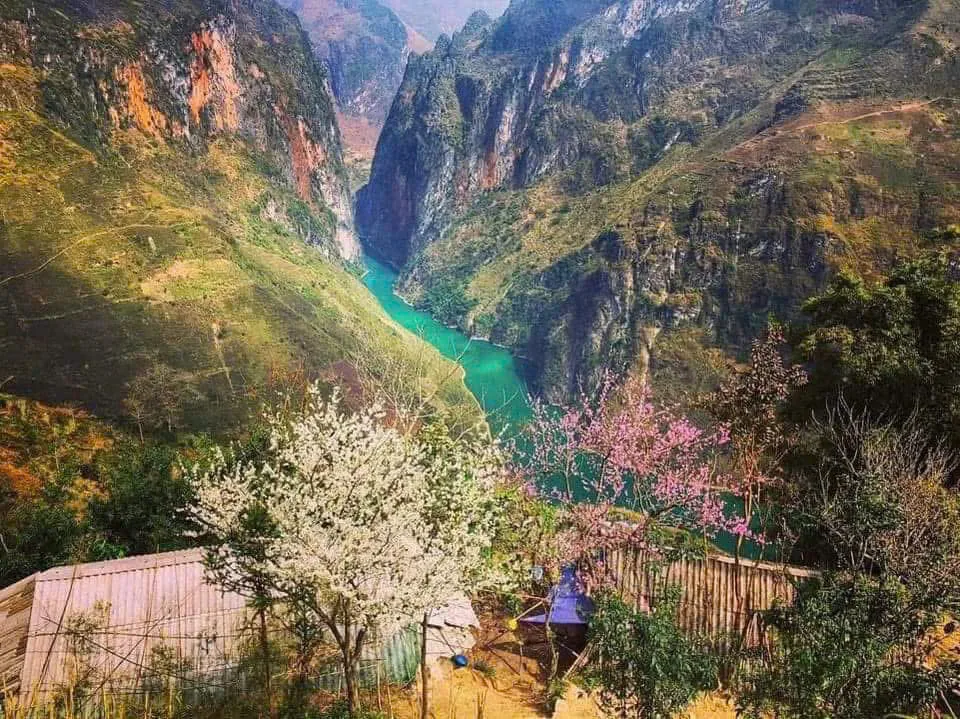
A highway wants you to get somewhere. This road wants you to pay attention. Its hairpins on Tham Ma make you patient. The long cliff-edge of Ma Pi Leng makes you humble. The valleys around Du Gia arrive without warning and make you stop for no reason at all. Guests often tell us at the end that the road was the trip, and the towns were just places to sleep.
The Road Is Beautiful Because It Is Alive
The same stretch of tarmac looks different at eight in the morning, when fog sits in the valley like milk, and at four in the afternoon, when the low sun turns the karst gold. After rain the whole plateau smells washed. In late autumn the buckwheat fields turn the rock pink.
It is also a working road. You will share it with H'mong farmers carrying corn on the back of a bike, children walking to school in the dark, a Tay family herding buffalo across a bend, women in Lung Tam drying hemp by the roadside. None of that is arranged for visitors. It is daily life, and moving through it with care is part of the ride.
Road Conditions to Expect
The surface has improved a lot in recent years, and much of the main route is decent tarmac. But the Loop still has narrow sections with drops and no barrier, gravel and mud where landslides have been cleared, stretches of roadworks, and blind corners on nearly every pass. Weather is the real variable: a clear morning can be fog by lunchtime, light rain makes limestone dust slick, and summer storms can close a road for a few hours.
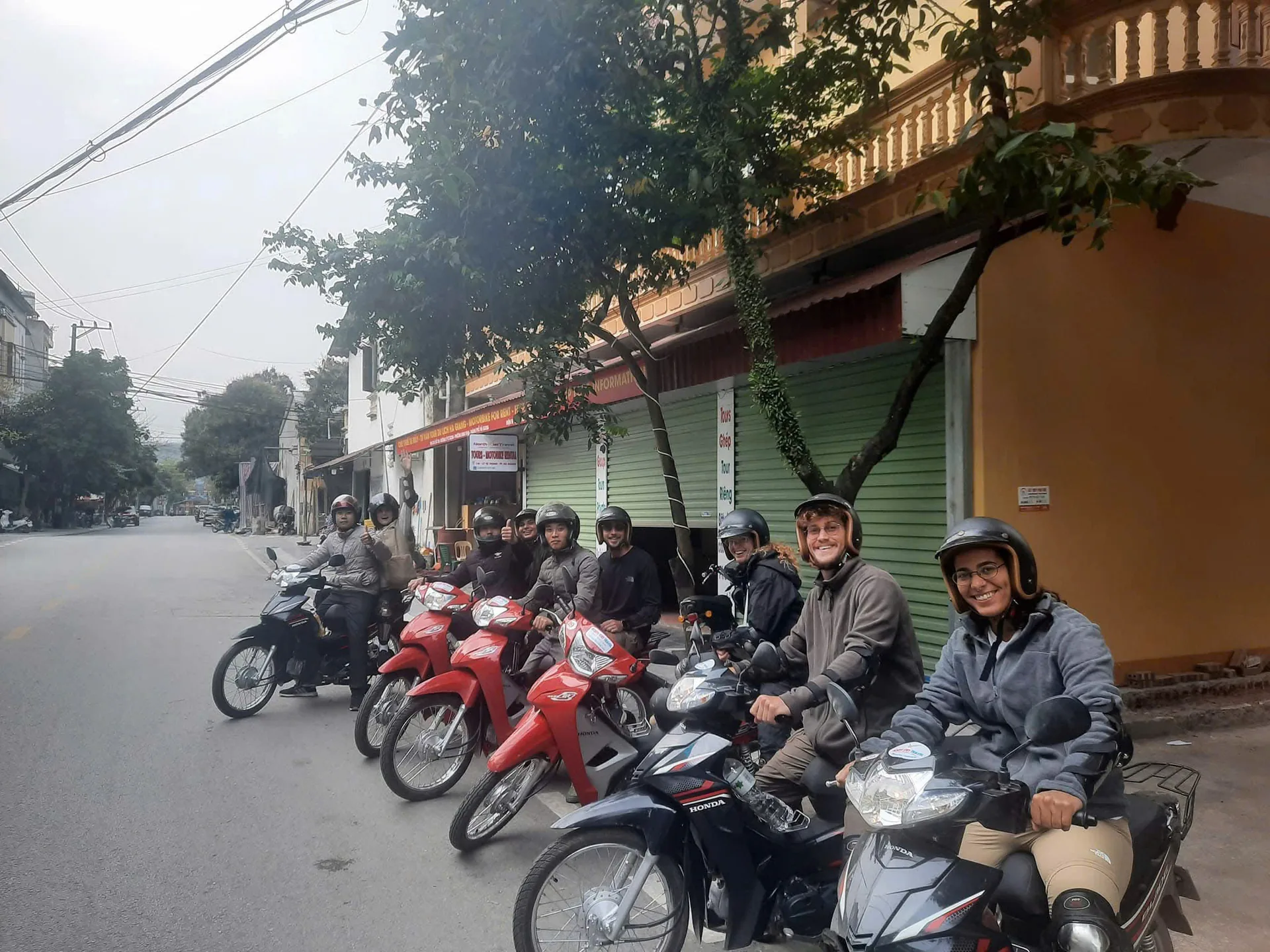
None of this should frighten you off. It should shape how you prepare and how fast you go. The road rewards the rider who reads it and punishes the one who ignores it.
Why Local Guidance Matters on Mountain Roads
A map shows direction. It does not show judgement. Our drivers know which bend on Ma Pi Leng gathers fog, where the trucks come through in the afternoon, which viewpoint has room for six bikes to pull over safely and which one does not, and where the group should stop before a descent to let the brakes cool. That sense comes from years on the road, not from a screen, and it is why first-time visitors relax so quickly behind a local driver.
The Best Way to Experience the Road
We offer three ways to ride, and only three. Easy Rider puts you behind an experienced local driver with no licence or riding experience needed. Self-riding is for confident riders who carry an International Driving Permit issued under the 1968 convention with category A or A1, plus their national licence, since police on the Loop check both. The seat-behind-a-friend option lets a couple or two mates share one bike, with one of them riding on a valid IDP.
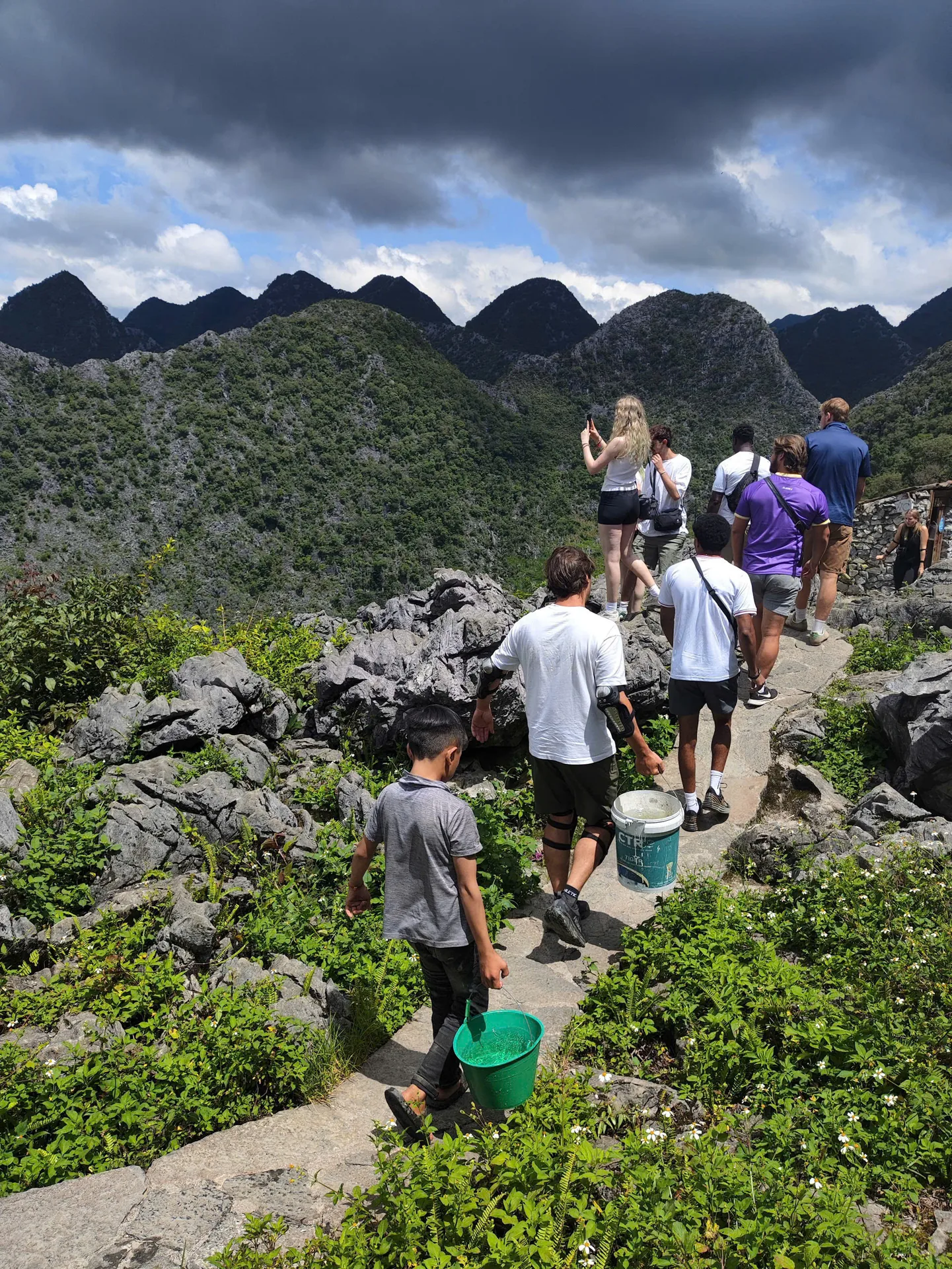
The right choice is not the bravest-looking one. It is the one that matches what you can honestly do on a wet mountain pass. The road does not care about ego; it cares about whether you arrive.
Safety and Honest Advice
Motorbike travel here involves real risk, and we want to be straight about it. Every rider and passenger gets a helmet, protective gear and a raincoat, and travel insurance is included. We ask you not to drink alcohol before or during riding days, to follow the guide's pace, and to accept route changes when the weather turns.
If you plan to ride yourself, check your licence documents before you leave home; some countries only issue the 1949 version of the IDP, which Vietnam does not accept. Tell us about anything that affects the ride: motion sickness, back problems, allergies, medication, a recent injury. Small details help us look after you. This article is general guidance, not legal or medical advice.
What to Pack for the Road
Layers first: a light rain shell, a warm mid-layer for early mornings and high passes, a T-shirt for the valleys. Then closed shoes, sunscreen, sunglasses, personal medicine, a small day bag, a power bank and some cash for coffee and market stops. Big luggage stays in our storage for free; a lighter bag makes the bike easier for everyone.
Culture Along the Roadside
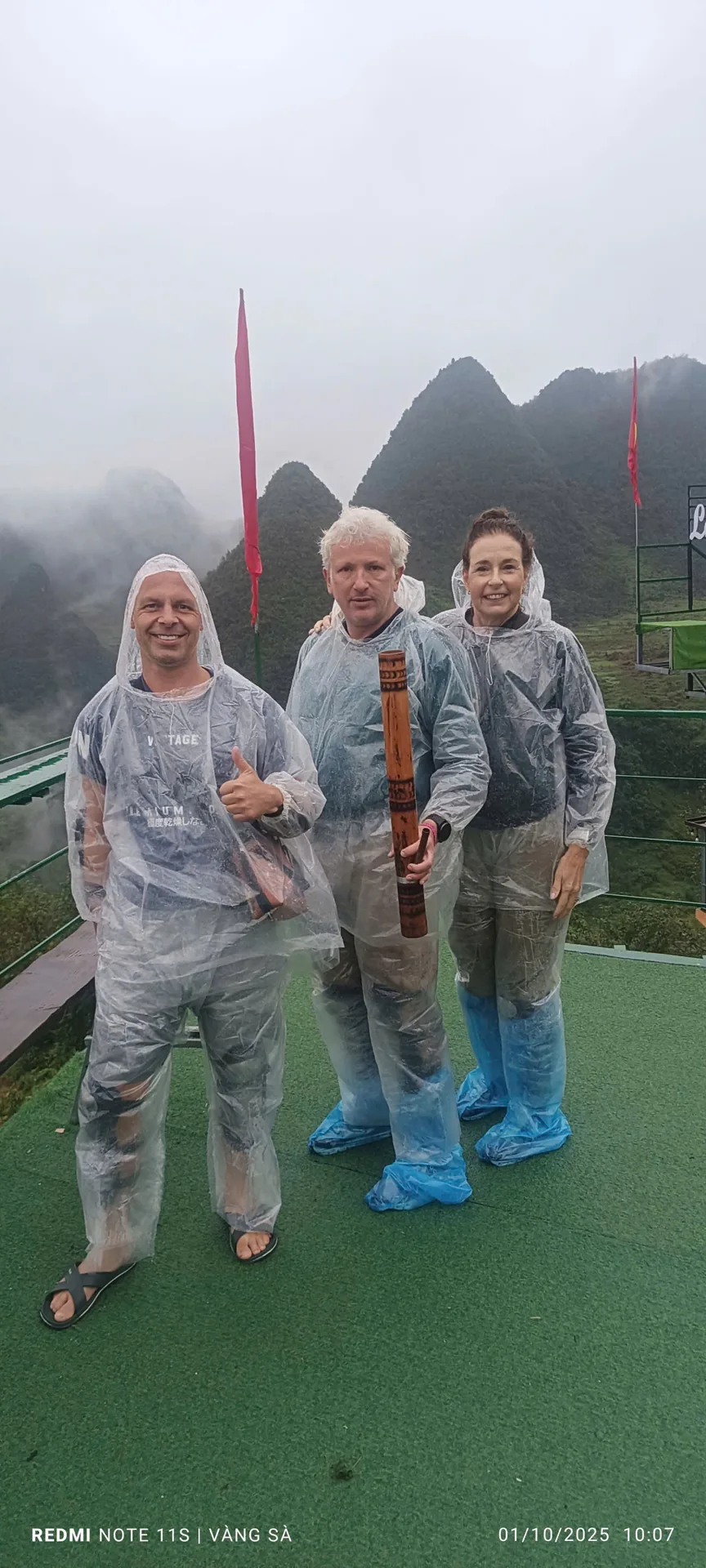
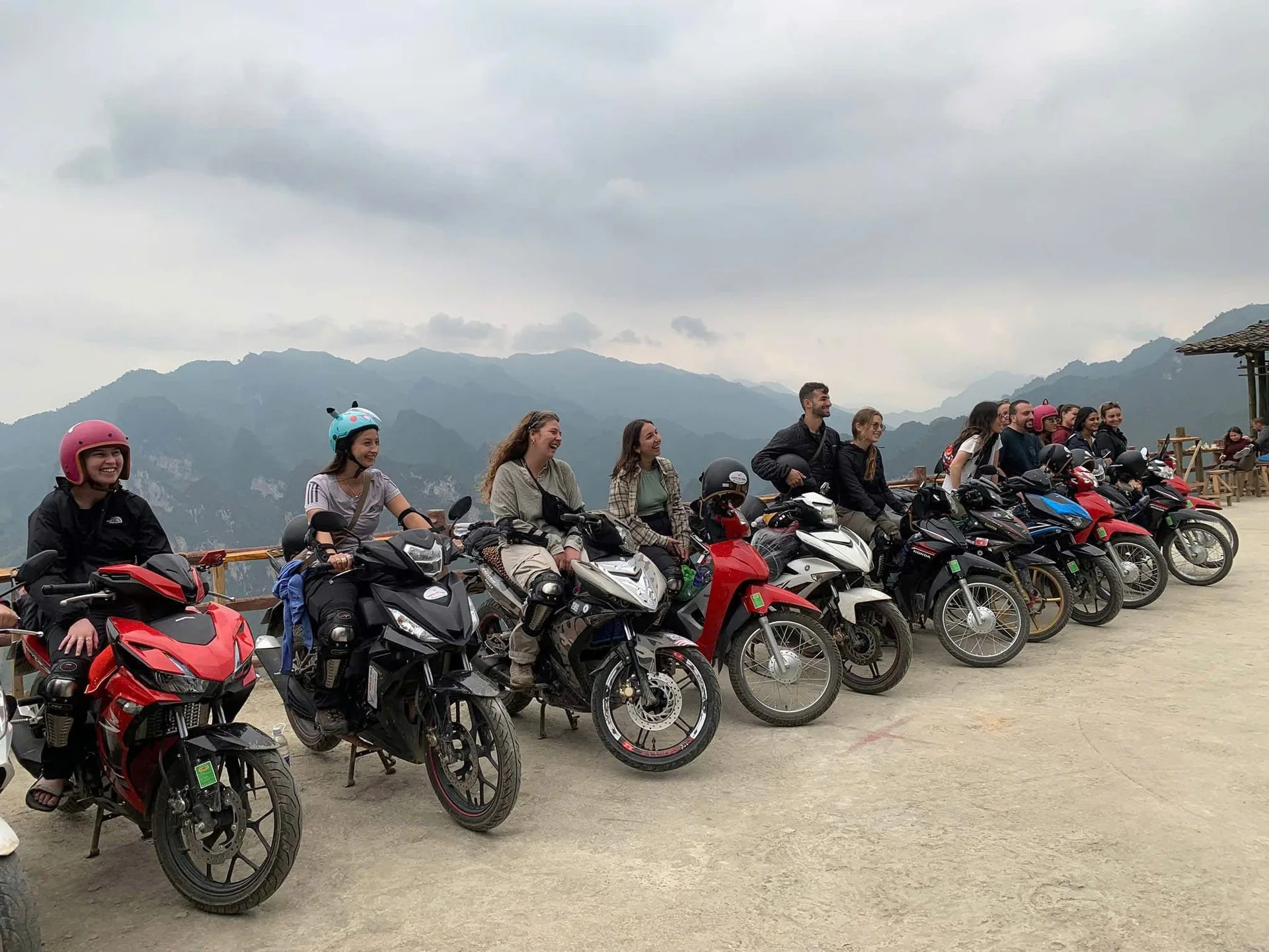
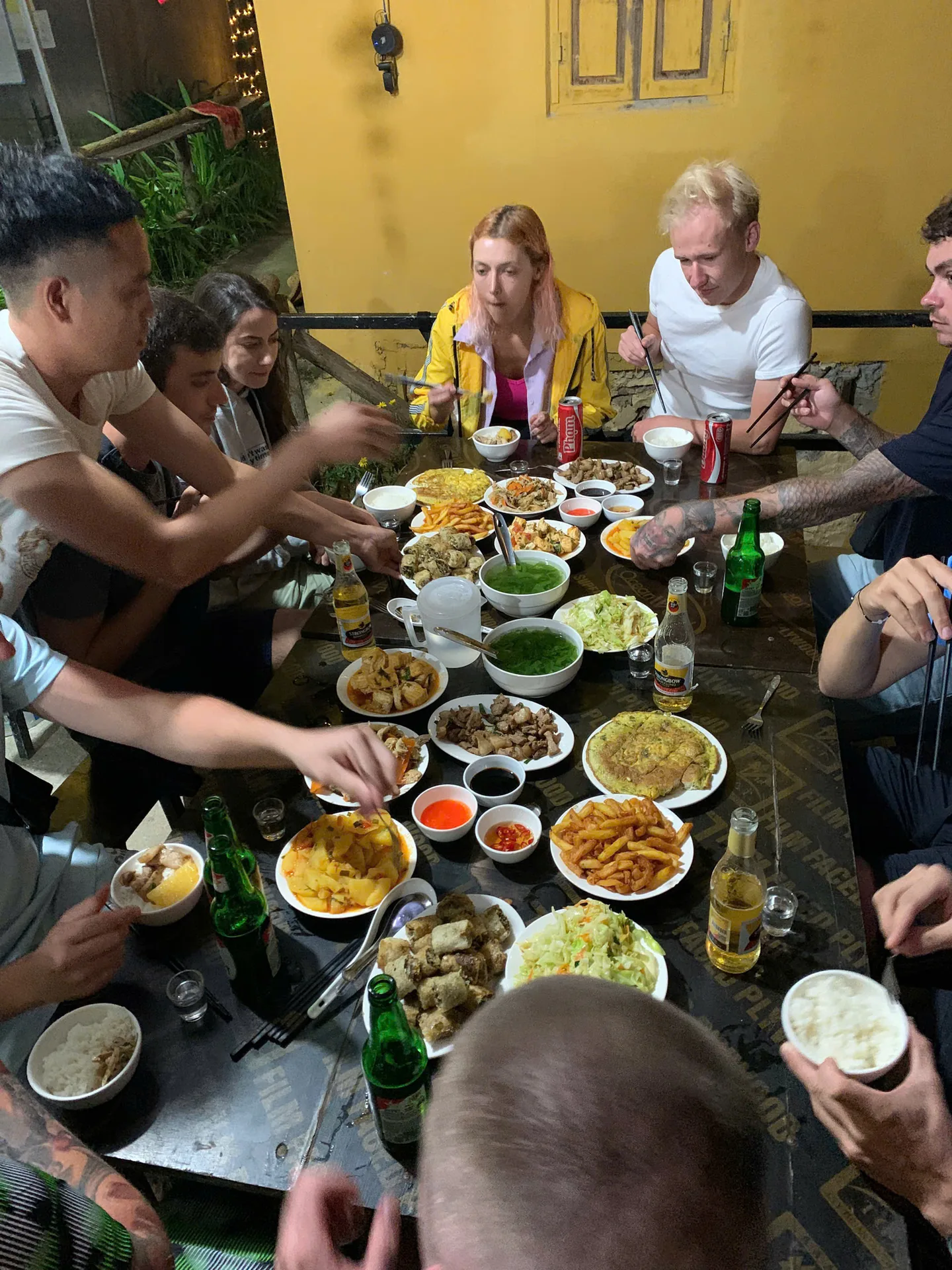
The Loop passes through the homes of H'mong, Tay, Dao, Lo Lo, Nung and Giay communities. You will eat dinner in a Tay stilt house in Du Gia and sleep in a H'mong home in Dong Van. You may meet the Lo Lo people below the Lung Cu flag and watch hemp being woven in Lung Tam. Ask before close-up photos, keep noise low in villages, buy from the people who make things, and listen more than you compare.
Leaving the Road as You Found It
We do not run a tree-planting scheme or a green slogan. Our version of giving back is smaller and daily: we spend the tour money in family homestays, carry our rubbish out, keep groups small so the viewpoints stay quiet, and treat every village as somebody's home. If you ride with the same habits, the road stays worth riding.
Final Thoughts: The Road Is the Teacher
The Loop teaches you to slow down when the bend tightens, to wait when the cloud closes in, to look properly at people who are not performing for you, and to measure adventure by what you noticed rather than by how fast you went. Some roads only take you somewhere. This one changes how you arrive.
Frequently Asked Questions
What is the Ha Giang Loop road like?
A high mountain circuit of passes, valleys, cliff roads and villages, with surfaces ranging from good tarmac to gravel and mud, and weather that changes within an hour.
Is the road suitable for beginners?
As an Easy Rider passenger, yes. As a self-rider, no; it is not the place to learn, and you need a valid 1968 IDP with category A or A1 anyway.
How many days do I need?
Three days covers Du Gia, Ma Pi Leng and Dong Van at a good pace. Four adds Lung Cu and slower mornings. Two is possible if you are short on time and happy with long days.
What should I prepare?
Rain and warm layers, closed shoes, medicine, cash, a small bag, your insurance details and, if you ride yourself, the right licence documents.
How do you give back to Ha Giang?
By keeping the money in family homestays, keeping groups small and leaving no rubbish behind, nothing more complicated than that.
Ready to Ride?
Every Loop, from the two-day express at 3.800.000₫ Easy Rider to the four-day at 5.700.000₫, is listed with all three riding options at /#pricing. Message us on WhatsApp at +84 973 910 970 and we will help you choose the road that suits you.
More stories
10 Aug 2026
Freedom Ha Giang Loop: Why Ride Vietnam's Mountain Road With Us
What a Ha Giang Loop with Freedom actually looks like: three ways to ride, small groups with their own guide, family homestays, proper gear, pick-up from Hanoi and a safety-first pace.
Read more →10 Aug 2026
Ha Giang Loop Adventures: A Complete Guide to Riding Northern Vietnam
Everything we tell our own guests before they ride the Ha Giang Loop: the route through the Dong Van Geopark, Ma Pi Leng and the Nho Que River, the people along the road, how many days to take, and whether to ride yourself or sit behind a local Easy Rider.
Read more →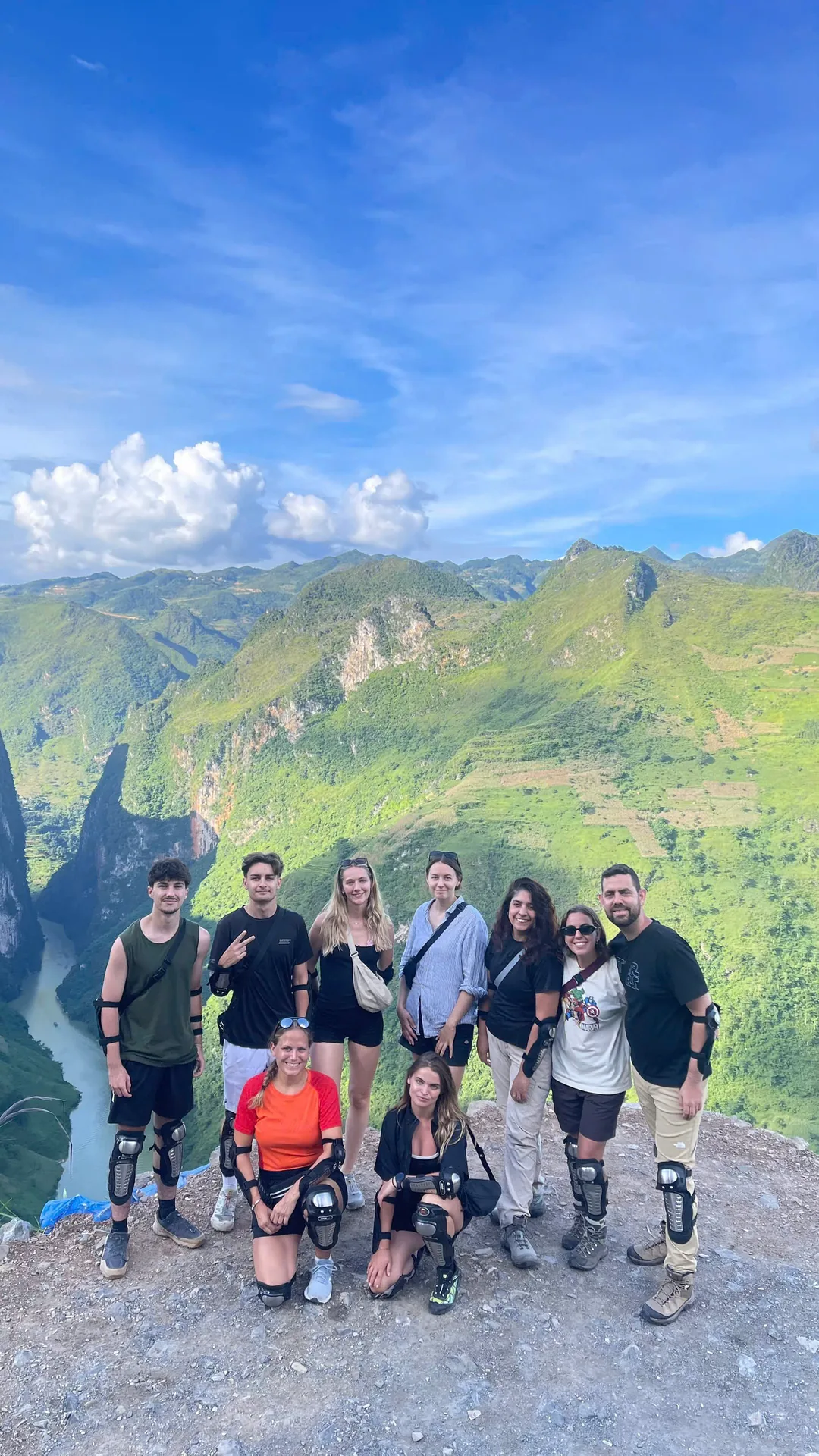
10 Aug 2026
Ha Giang Loop Deaths: The Safety Facts to Know Before You Ride
People do die on the Ha Giang Loop, and pretending otherwise helps nobody. Here is what actually goes wrong on these mountain roads, what the licence law says, and how to pick a way of riding that brings you home.
Read more →