08 Aug 2026
Accident Ha Giang Loop: What Causes Crashes and How to Ride It Safely
safetyha-giang-loopeasy-riderlicencemotorbike
Why people search "accident Ha Giang Loop"
Searching those words is a good sign: you want the truth before you ride. Here it is. We ride these roads every week, and we will not tell you the Loop is harmless. Over 300 kilometres of mountain road, passes above 1,500 metres, stacked hairpins, sudden fog and trucks using the whole lane on blind corners. Yet most riders finish with sore legs and a full camera roll. The difference is rarely luck. It is preparation, humility and the riding option they chose.
Where crashes on the Loop actually come from
Almost no accident here comes from one dramatic moment. It comes from small things piling up.
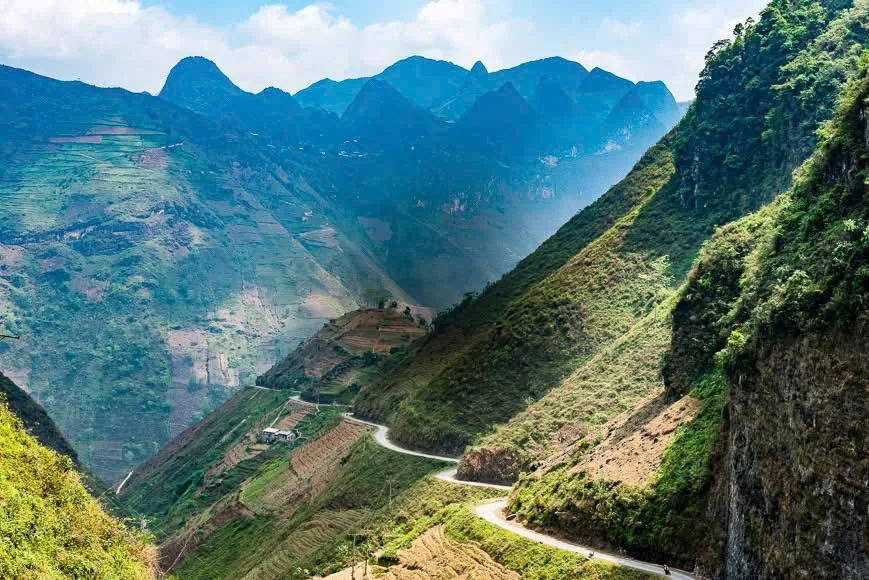
- Speed on an unknown road. The descent from Ma Pi Leng towards Meo Vac, the switchbacks of Tham Ma, the drop from Quan Ba Heaven Gate: each has corners that tighten halfway through. Locals know which ones. First-timers find out at the apex.
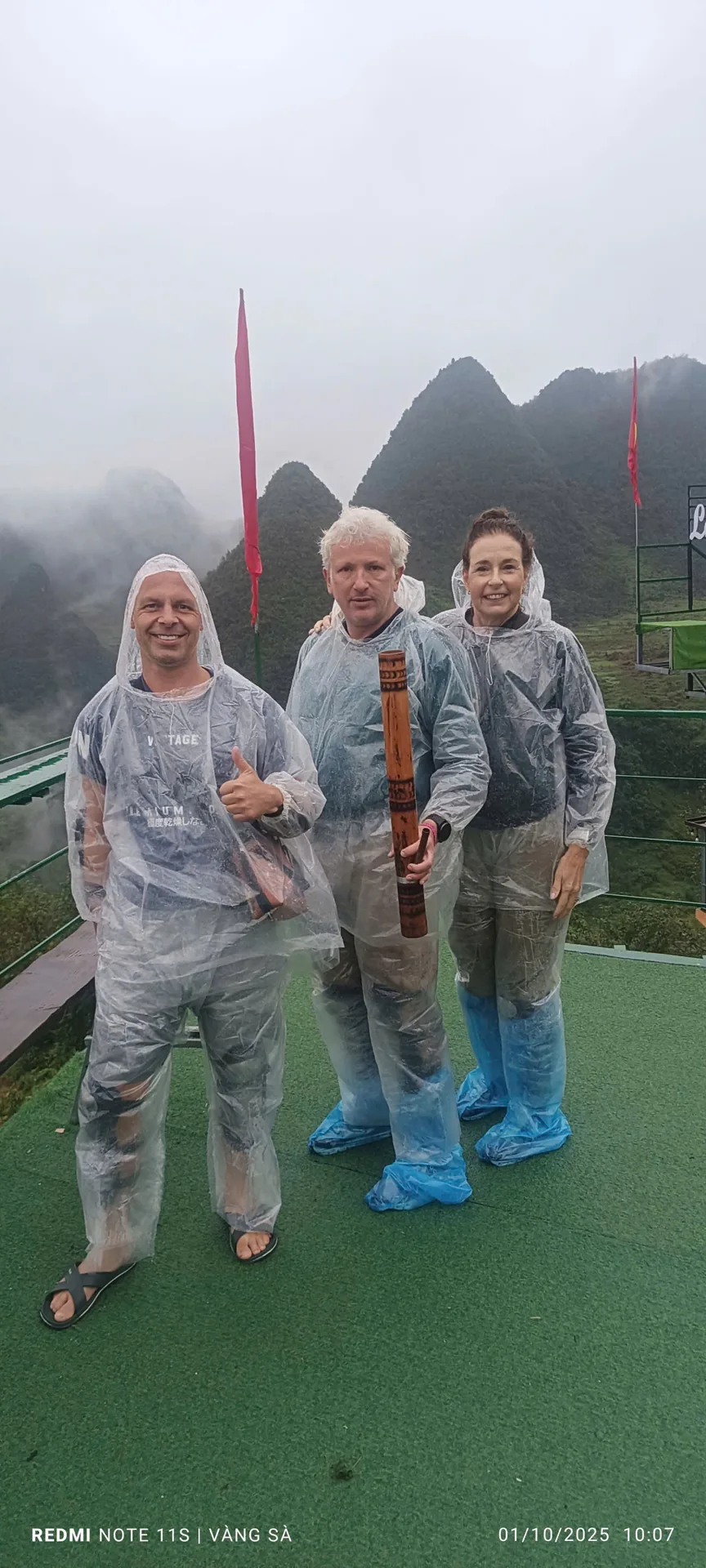
- Wet limestone. The Dong Van Karst Plateau is a UNESCO Global Geopark because it is almost entirely rock. In rain the surface turns to polished stone streaked with mud.
- Fatigue. A Loop day is 100 to 160 kilometres of constant concentration. By 4 pm reactions are slower, exactly when people hurry the last stretch to the homestay.
- Rice wine. Homestay dinners are generous. A heavy head the next morning causes plenty of low-speed crashes.
- Livestock, children and roadworks. Buffalo, goats and H'mong kids walking home from school share the road with crews clearing landslides after storms. What makes them dangerous is meeting three of them at once.
Danger you cannot change, risk you can
Mountains are dangerous. That part is fixed. What you control is how much risk you stack on top.
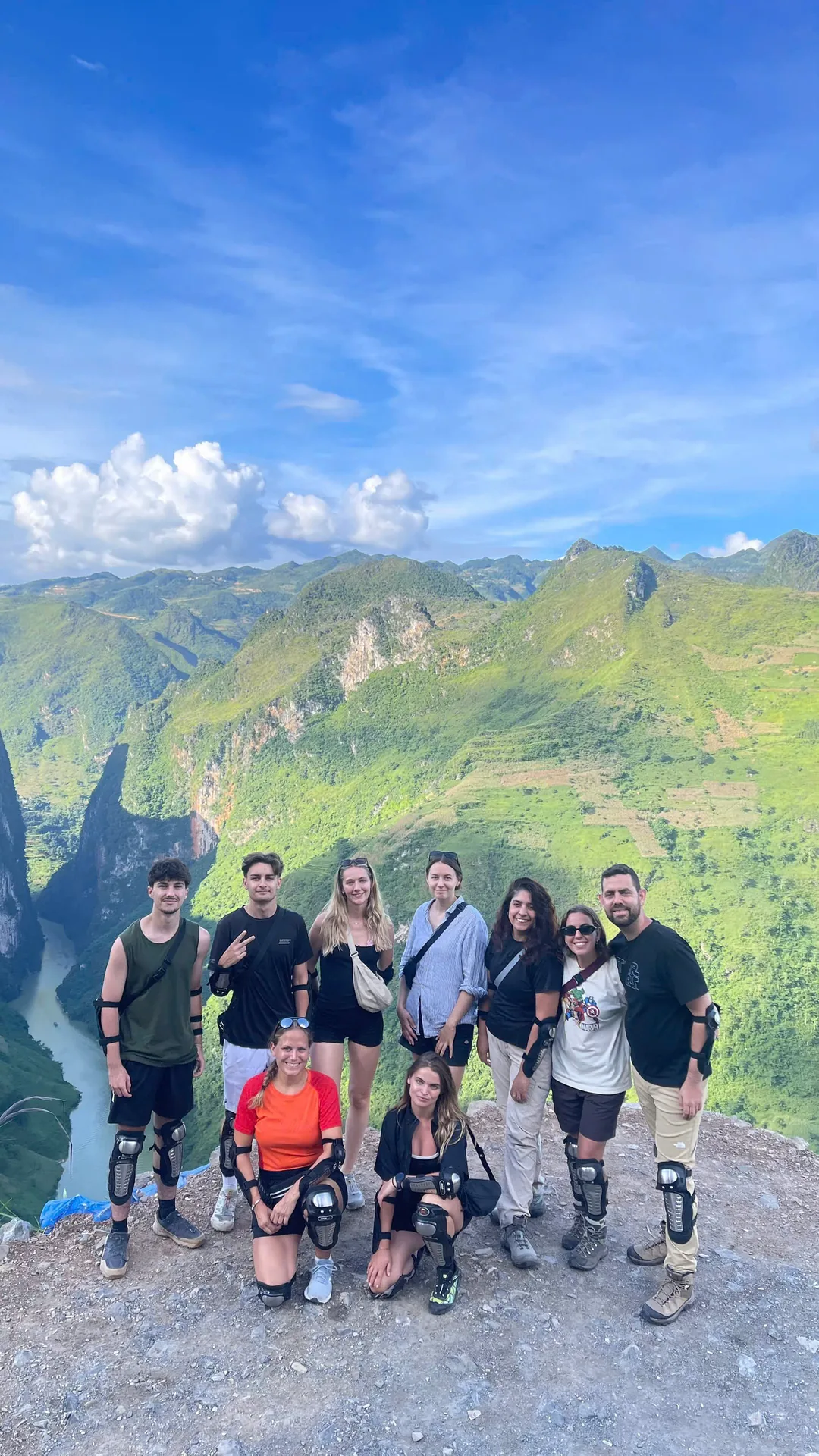
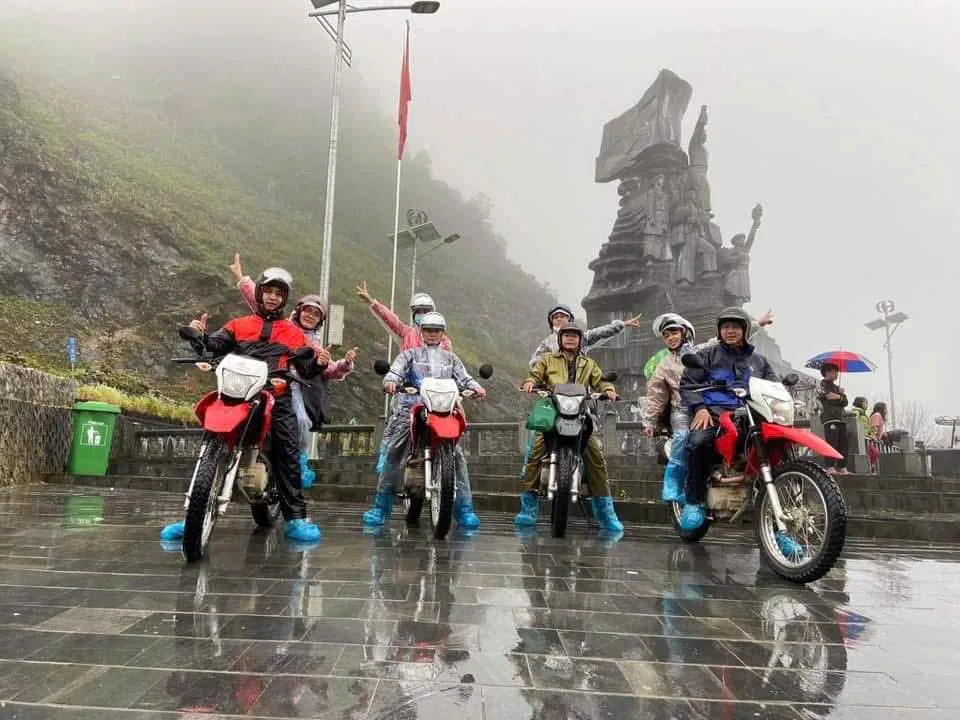
Unmanaged risk is bald tyres, a half-strapped helmet, no insurance, no licence and a plan to "just take it slow". Managed risk is a serviced bike, full gear, a guide who knows every corner, and an honest decision about whether you should be holding the handlebars at all.
Weather feeds that decision. December to February, the plateau can drop close to freezing under days of drizzle and fog. June to August brings heavy afternoon storms and occasional landslides. March to May and September to November are the sweet spots, with clear air and, in late October, buckwheat turning the valleys pink.
Your pre-ride safety checklist
We brief every group before departure, but good preparation starts before you reach Ha Giang.
Body and mind
- Sleep properly; do not go from the night bus straight onto the bike.
- Tell your guide what matters: motion sickness, a bad knee, fear of heights, allergies, medication. We adjust the pace; we cannot adjust what we do not know.
- Go easy on the rice wine on riding nights. One glass is hospitality. Six is a hangover on a cliff road.
Kit
- Layers plus waterproofs: plateau mornings are cold even in summer. We provide rain coats, but your own overtrousers help.
- Closed shoes with grip, sunscreen, a small first-aid kit and personal medicine.
- One small bag; the rest goes in our free luggage storage in Ha Giang city.
Paperwork (self-riders especially)
- Your national driving licence with a motorbike category.
- An International Driving Permit under the 1968 Vienna Convention, category A or A1. Vietnam does not recognise 1949-convention IDPs, and police on the Loop check both documents.
- Travel insurance, and a careful read of its motorbike clause. Most policies only pay if you are legally licensed for the bike you are riding.
This is rider advice, not legal or insurance guidance. Check the current rules for your passport before you travel.
Easy Rider: the safest option for most first-timers
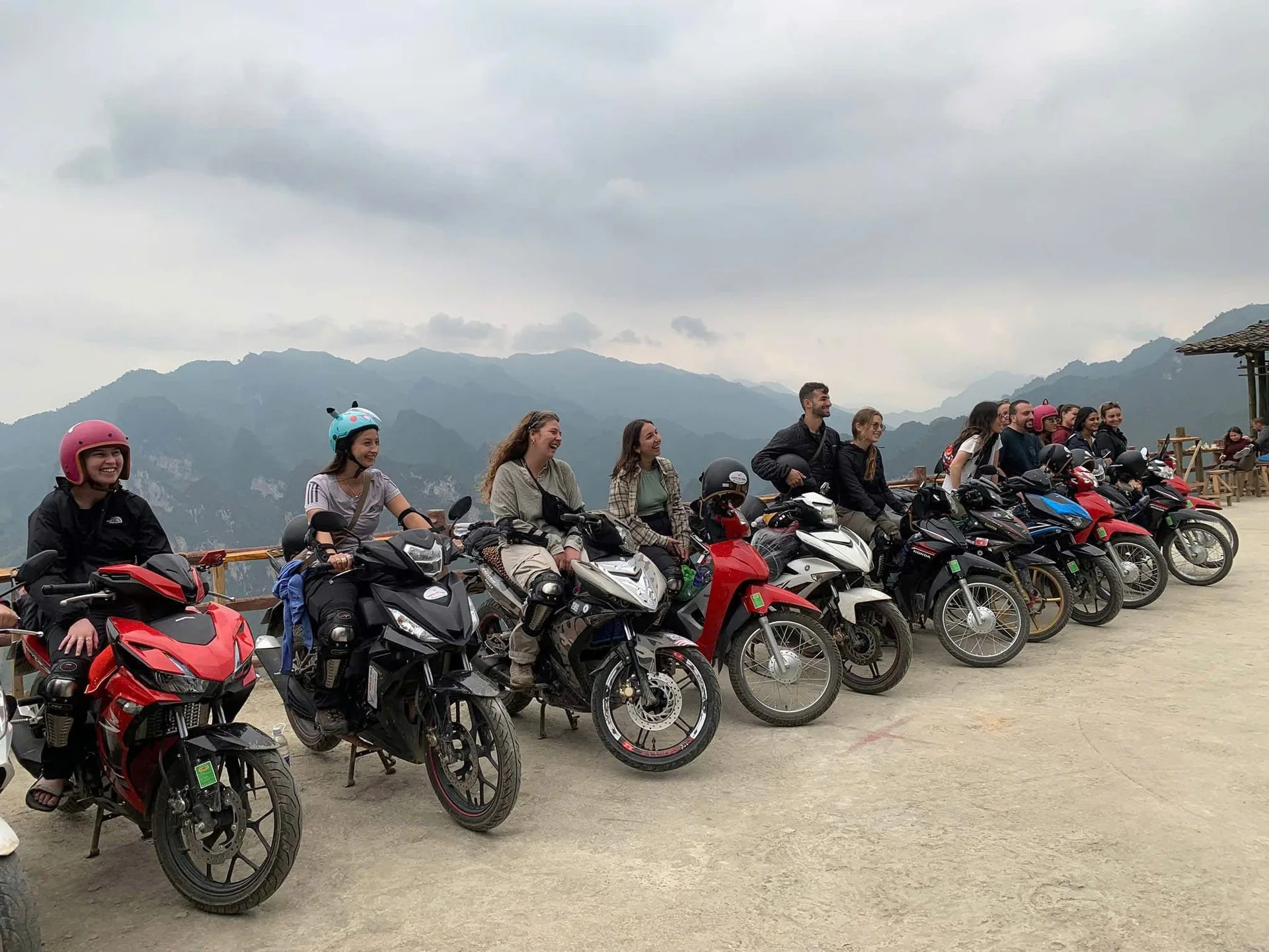
Every Freedom Loop offers an Easy Rider option, and it is the one we recommend to anyone who does not already ride at home. You sit behind an experienced local driver who grew up on these roads and knows where the tarmac narrows after the bamboo forest and where the fog sits in the morning. No licence, no experience needed.
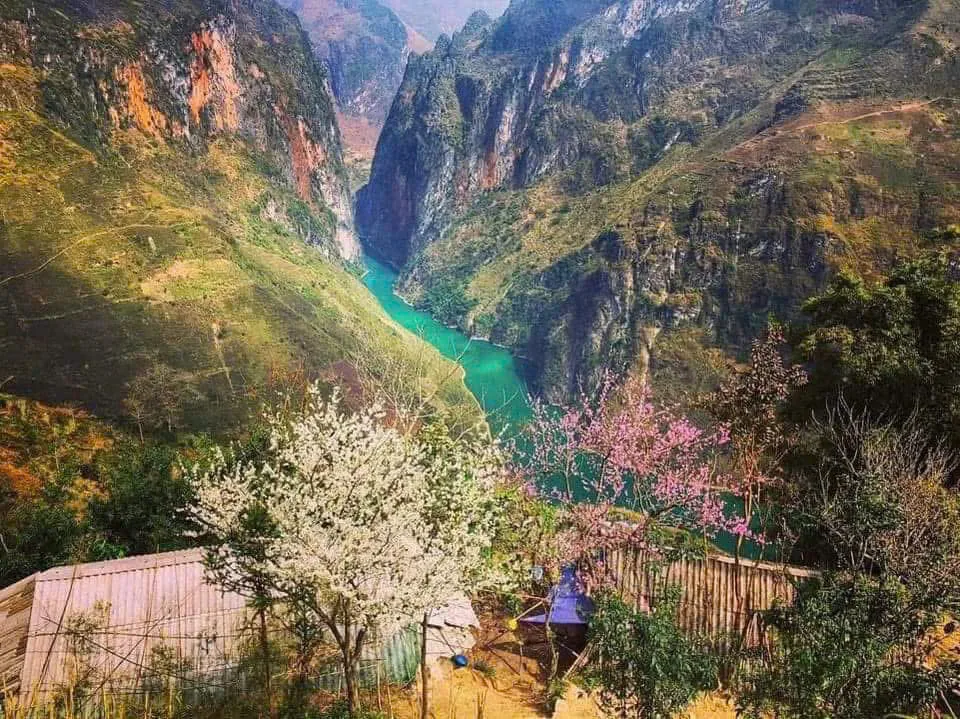
You get to look up at the Nho Que canyon instead of down at the road, and arrive in Du Gia with energy left for dinner.
You still have a job as a passenger: helmet strapped, hold on properly, lean with the rider, no sudden movements in corners. If you are cold, scared or need a break, say so. Our drivers would rather stop twice more than carry a tense passenger.
Travelling as a pair? Our seat-behind-a-friend option lets one licensed rider carry a passenger for a lower price, provided that rider is genuinely confident with a pillion on mountain roads.
Self-riding: when it stops being a good idea
Some of the happiest people on our tours ride their own bike: they ride at home, hold the right licence and have tasted Vietnamese traffic first. For them, Ha Giang is one of the great motorbike roads anywhere.
It becomes a bad idea when:
- You have never ridden a geared or semi-automatic bike and plan to learn on day one.
- You have no valid licence and 1968 IDP. Beyond the fines, this usually voids your insurance the moment you sit on the bike.
- You have only ridden in flat cities. Steep descents, gravel on the outside of hairpins and oncoming trucks are a different sport.
- You are tired, sick or hungover, and riding only because you paid for it.
We will be honest at the briefing. If a guide sees you wobble through the car park, he will say so and suggest an Easy Rider. Our pride is not worth your collarbone.
What to do after a near miss or a crash
A near miss is information. Pull over safely, breathe, and tell the guide; the fix is usually a slower pace or an early finish. Nobody in a Freedom group is pressured to keep up.
If a crash happens:
- Get yourself and the bike out of the traffic lane, but only if it is safe.
- Check people first. Do not ignore dizziness, numbness or pain that "will probably pass".
- Call your guide. Every group rides with one, and he knows the nearest clinic in Yen Minh, Dong Van or Meo Vac.
- Keep a passport copy, insurance number and our WhatsApp number within easy reach.
- Do not hide it. Small injuries get worse when people are embarrassed, and concussion is easy to miss.
How to choose a safer operator
Dozens of companies sell the Loop from Ha Giang city and Hanoi. Ask each the same direct questions and be wary of vague answers: how big are the groups, does a guide ride with every one, what gear is included, what is the rule on alcohol, who calls off a day for weather, and what does the price cover?
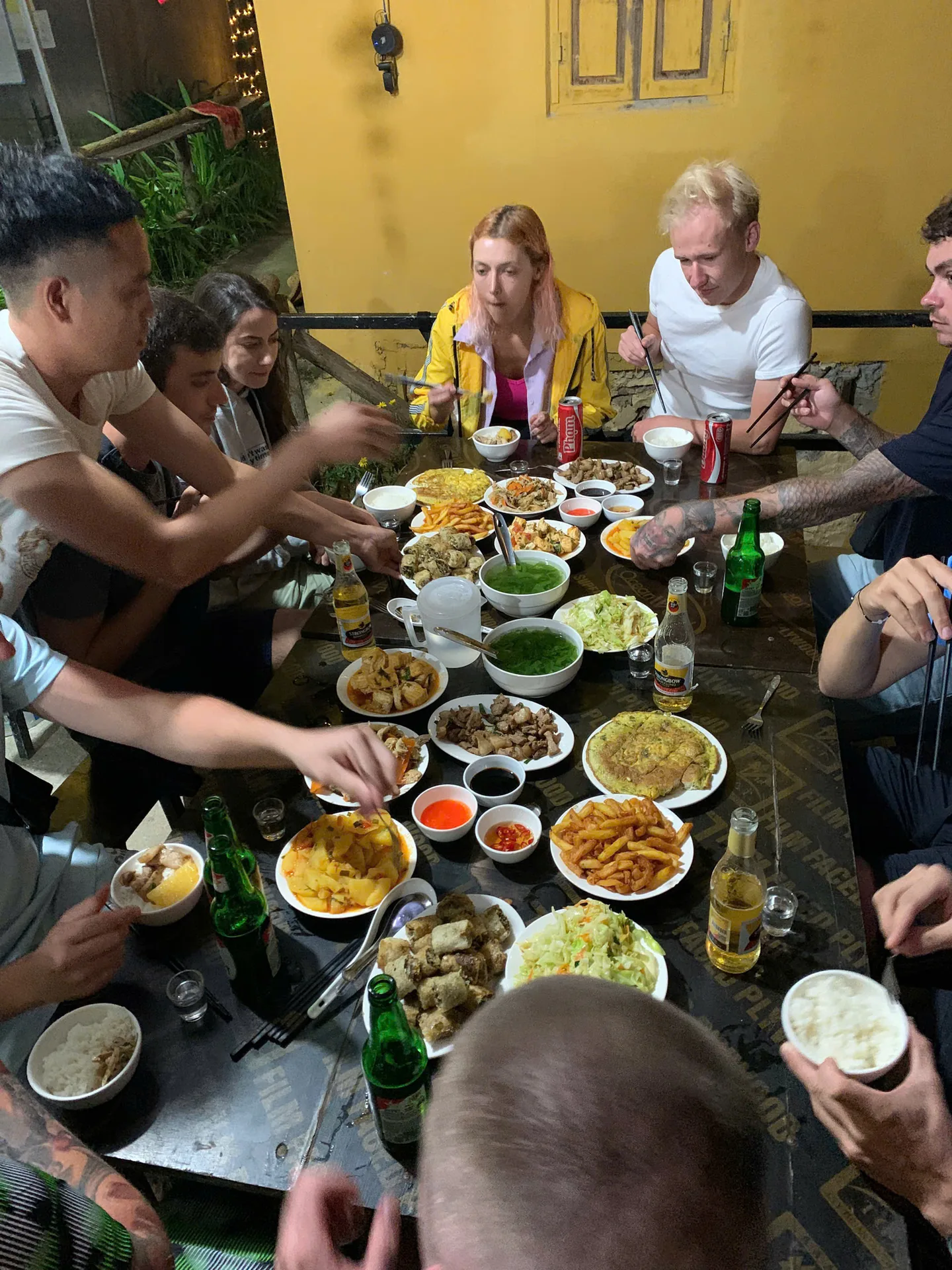
For Freedom the answers are simple: small groups, an English-speaking guide in every one, helmet, protective gear and rain coat, bike and fuel, three meals a day, entry fees, travel insurance, pick-up from Hanoi, Sapa, Ninh Binh, Cat Ba and Ha Long, and nights in real Tay and H'mong family homestays. We do not run party tours, and we are not the cheapest ticket in town, because cheap bikes and overloaded groups are where accidents start.
Safe for you, respectful to the place
The Loop runs through villages of H'mong, Tay, Dao, Lo Lo and Giay families, many living right beside the road. Slow down through villages, do not rev past schools, ask before photographing people, buy your coffee locally, and stay off the karst. We make no grand promises about saving the mountains; what we can promise is that our guides are local, our homestays are family homes, and your money stays in Ha Giang.

Final thoughts: respect is the best safety gear
The Ha Giang Loop is neither a horror story nor a theme park. It is a serious mountain road through spectacular country, and it rewards people who take it seriously. Choose the option that matches your real skill, wear the gear, carry the right licence or let someone else carry you, stay sober on riding days, and listen when a local says the fog is not lifting. Do that, and the search for "accident Ha Giang Loop" ends with a decision to ride wisely, not a reason to stay home.
FAQ
Are accidents common on the Ha Giang Loop? They happen every season, mostly to unlicensed self-riders on rented scooters, and far less often in guided groups with proper gear and a sensible pace.
Is an Easy Rider really safer? For anyone without motorbike experience, yes. Your driver reads these passes in a way a visitor cannot in three days.
Can I self-ride without a licence? Legally, no. You need your national motorbike licence plus a 1968-convention IDP with category A or A1. Without them you risk fines, a confiscated bike and an insurance policy that will not pay.
What is the biggest mistake travellers make? Overestimating themselves and underestimating the road: too fast, too tired, too wet, or too much rice wine the night before.
What does Freedom include for safety? An English-speaking guide in every group, bike and fuel, helmet and protective gear, rain coat, travel insurance and homestay nights with local families.
Ready to ride it the safe way? See our 2, 3 and 4-day Loops with Easy Rider, self-riding and seat-behind prices in the pricing section of our homepage. Not sure which option suits you? Message us on WhatsApp at +84 973 910 970 and we will tell you honestly.
More stories
10 Aug 2026
Freedom Ha Giang Loop: Why Ride Vietnam's Mountain Road With Us
What a Ha Giang Loop with Freedom actually looks like: three ways to ride, small groups with their own guide, family homestays, proper gear, pick-up from Hanoi and a safety-first pace.
Read more →10 Aug 2026
Ha Giang Loop Adventures: A Complete Guide to Riding Northern Vietnam
Everything we tell our own guests before they ride the Ha Giang Loop: the route through the Dong Van Geopark, Ma Pi Leng and the Nho Que River, the people along the road, how many days to take, and whether to ride yourself or sit behind a local Easy Rider.
Read more →10 Aug 2026
Ha Giang Loop Deaths: The Safety Facts to Know Before You Ride
People do die on the Ha Giang Loop, and pretending otherwise helps nobody. Here is what actually goes wrong on these mountain roads, what the licence law says, and how to pick a way of riding that brings you home.
Read more →