
09 Aug 2026
Ha Giang Travel: Riding Through Vietnam's Northern Mountains the Right Way
Ha Giang travelNorthern VietnamHa Giang LoopSeasonsSafety
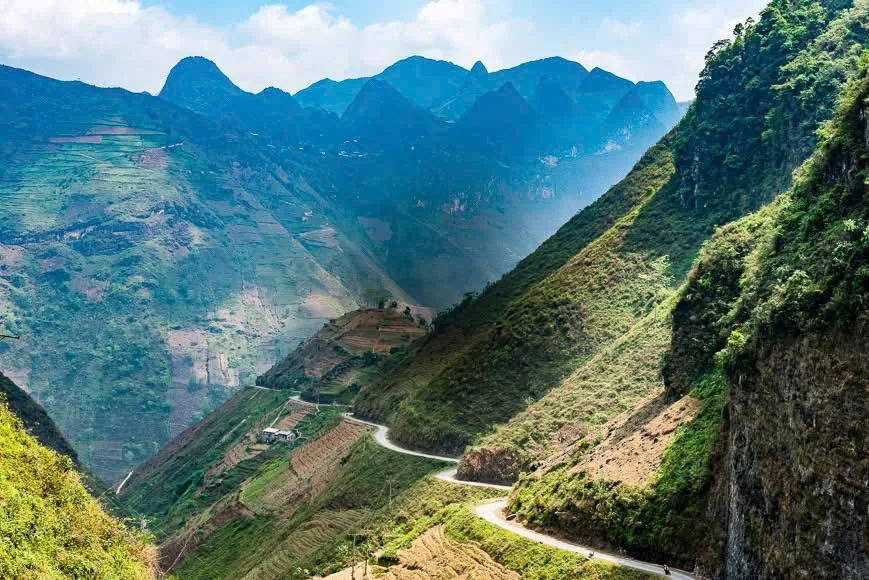
There are journeys that change where you end up, and journeys that change the person making them. Ha Giang travel tends to be the second sort. The road leaves Ha Giang city, climbs into limestone and cloud, and for the next few days the ordinary world is somewhere far below.
We have guided this road for years and still stop at the same bends. This article is our attempt to explain why, and to help you plan the trip properly.
Why Choose Ha Giang Travel?
A good Ha Giang trip pairs big scenery with real local life, and the Loop delivers both in the same day.
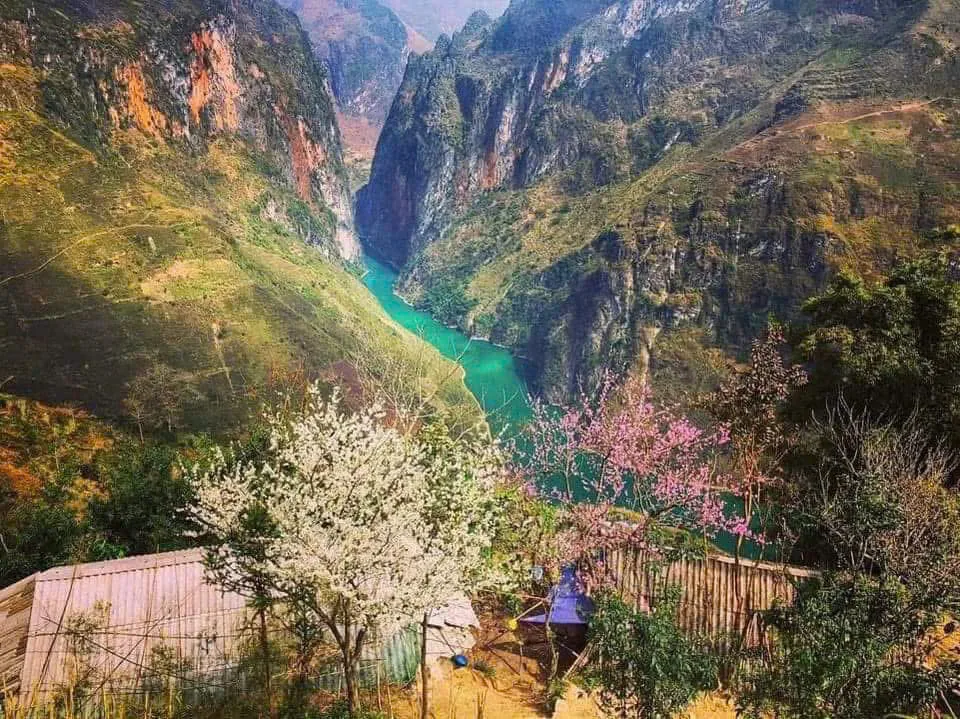
Quan Ba is the opening act: after Bac Sum Pass the road tops out at Heaven Gate and the valley of the Twin Fairy Mountains spreads out like a green sea. Dong Van, deep on the plateau, is stone houses, a lively Sunday market and the H'mong family we sleep with. Ma Pi Leng Pass, between Dong Van and Meo Vac, sits above the Nho Que River like a balcony; the water below is jade green and the cliffs on either side belong to Tu San, one of the deepest canyons in Southeast Asia. Du Gia, on the softer southern side, closes the story with terraces, a swimmable waterfall and a Tay village on stilts.
All of this lies inside the Dong Van Karst Plateau, a UNESCO Global Geopark, and all of it is home to more than a dozen ethnic groups. Every turn of the road opens a new chapter.
Experience the Ha Giang Loop Slowly
The best Ha Giang trips are rarely the fastest ones. The road rewards patience: stop at the viewpoint even if you stopped at the last one, talk to the woman selling corn at the top of Tham Ma Pass, taste the thang co at Dong Van market, and sit still while the cloud rolls across the ridge.
This is why we run the Loop as three or four days rather than two whenever guests can spare the time. Our 3-day, 2-night Loop gives a whole morning to the waterfall and rafting around Du Gia; the 4-day Loop adds a full day for the Lung Cu flag tower and the Lo Lo village beneath it. Local guides also help with the etiquette: which houses welcome visitors, when to take your shoes off, how to accept a cup of corn wine politely.
When Is the Best Time for Ha Giang Travel?
Each season paints a different picture of the same mountains.
- Spring (March to May): peach and plum blossom, then bright green rice. Mild and comfortable for riding.
- Summer (June to August): vivid terraces and dramatic skies, but this is the rainy season and roads can be slippery, with occasional landslides.
- Autumn (September to November): the favourite of most guests. Clear skies, harvest gold around Du Gia, and buckwheat flowers on the plateau from October.
- Winter (December to February): cold and misty, especially on Ma Pi Leng and above Yen Minh. Beautiful when the fog lifts, bitter when it does not.
There is no single right month; it depends on what you want to see and how much rain and cold you can enjoy. Whatever you choose, check the forecast before departure and expect the weather to change on the high passes.
Travel Safely and Responsibly
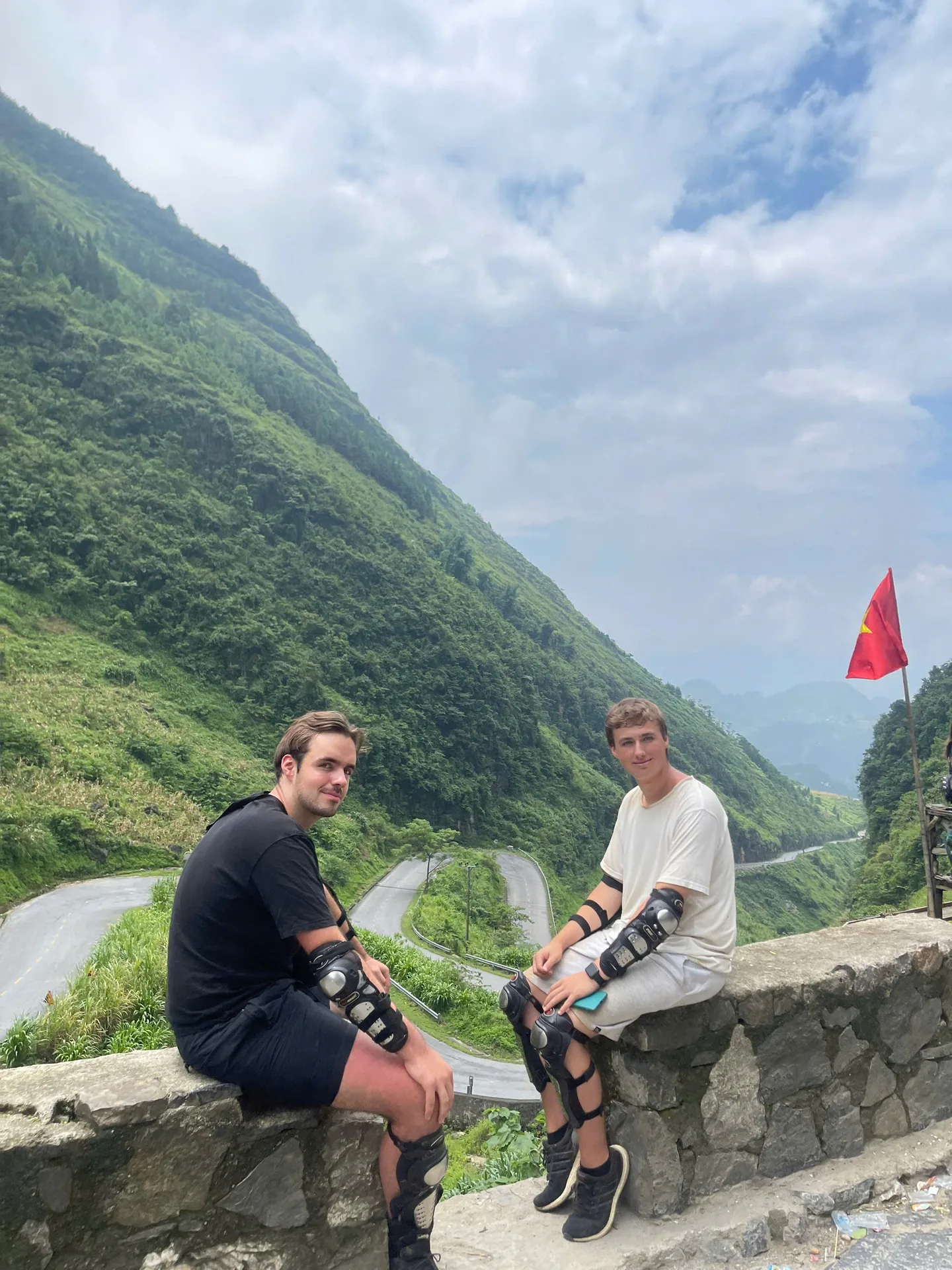
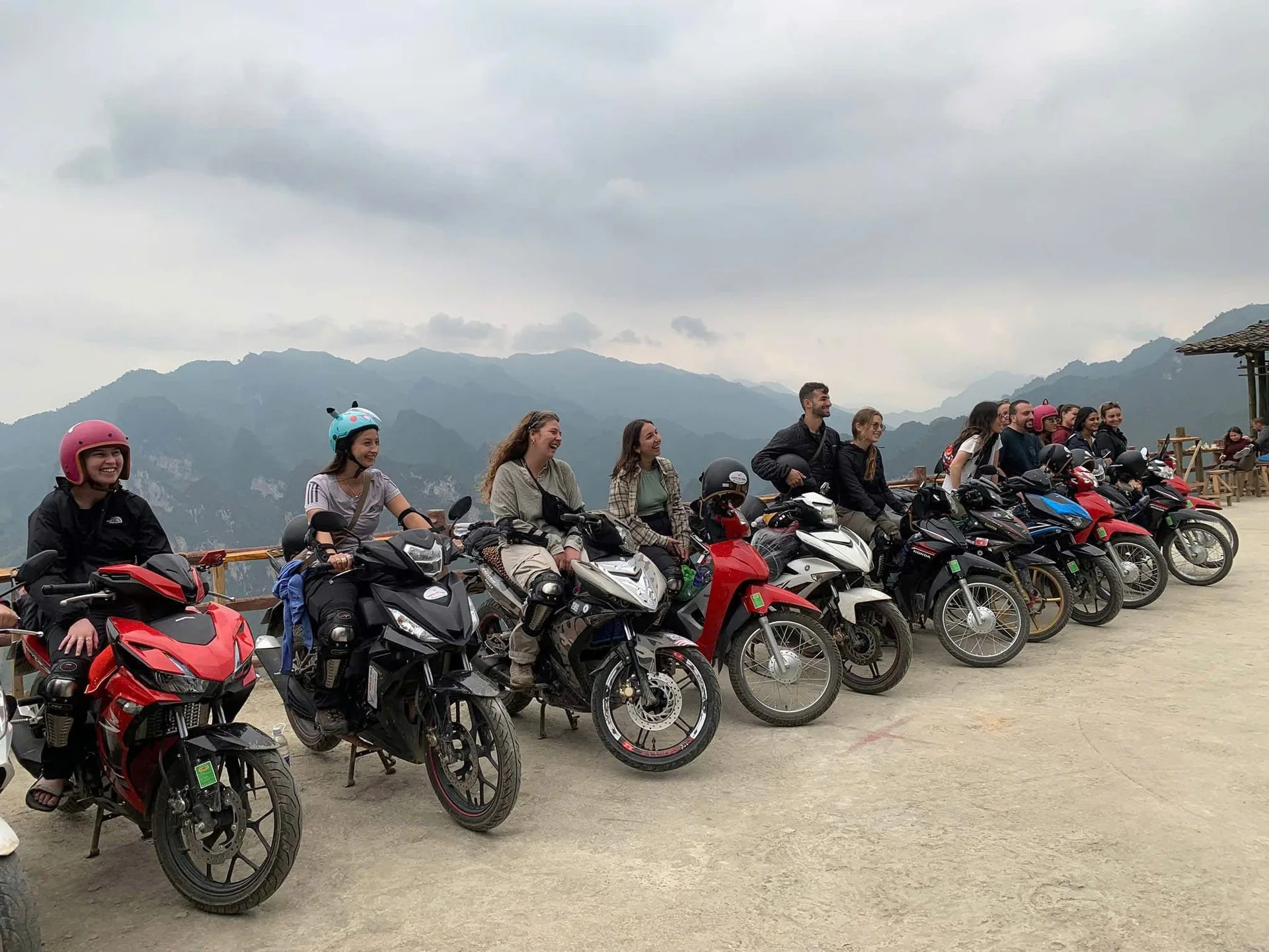
Safety is part of every plan we make. The Loop has long climbs, tight bends, gravel in the corners and trucks that use the whole road. We handle it by starting every tour with a briefing, riding at the pace of the slowest bike, and giving every guest a helmet, protective gear, rain coat and travel insurance.
If you are not an experienced rider, sit behind one of our local drivers as an Easy Rider; no licence is needed. If you want to ride yourself, you must carry an International Driving Permit under the 1968 convention with category A or A1 together with your national licence, because police checkpoints on the Loop check both. Never ride after drinking, never ride in the dark, and carry water, personal medication, a rain layer and your passport.
Responsibility goes beyond your own safety. The mountains are homes, farms and ecosystems before they are attractions: take your rubbish with you, respect local customs and do not treat villages as photo backdrops.
How Ha Giang Travel Can Give Back
The beauty you ride through here is worth protecting, and the most useful thing a traveller can do is simple. Sleep in family homestays instead of chain hotels. Eat where local people eat. Buy hemp cloth from the weavers who made it in Lung Tam. Refill a bottle rather than buying another plastic one. Ride slowly through villages.
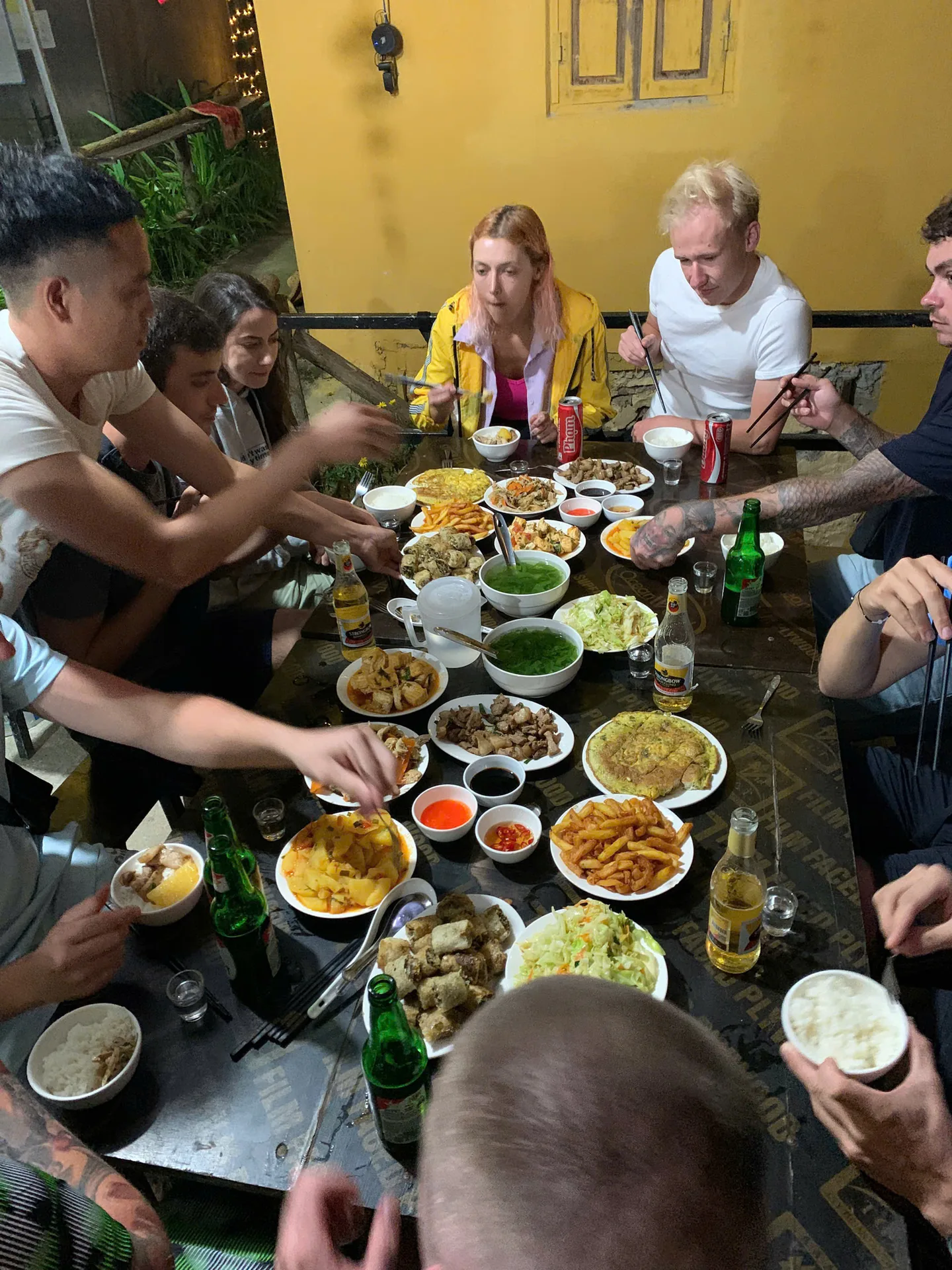
We are a local company and this is how we run every Loop: our guests' money goes to Tay and H'mong families in Du Gia and Dong Van, to the drivers who grew up on these roads, and to the small kitchens where we stop for lunch. One traveller doing this changes little. A whole season of travellers doing it keeps the villages open and welcoming.
Why Choose Freedom for Ha Giang Travel?
Local knowledge makes the difference between seeing Ha Giang and understanding it. Our guides explain the traditions behind the markets, know the viewpoints that are not on the map, and read the road well enough to keep you safe on it. Pick-up from Hanoi, Sapa, Ninh Binh, Cat Ba or Ha Long is included, and so are all meals, homestays, entry tickets, fuel and luggage storage. Every group has its own guide, so every Loop is a little different.
Frequently Asked Questions
How long should a Ha Giang trip be?
Three or four days is the comfortable answer, and it is what most of our guests choose. Two days is possible for the core highlights if you accept long hours on the bike.
Is Ha Giang suitable for first-time riders?
Yes, as a passenger. The Easy Rider option puts you behind an experienced local driver and needs no licence or riding experience. We do not suggest learning to ride here.
What should travellers bring?
Warm layers, a waterproof jacket, closed shoes, sunscreen, personal medication, a power bank, small cash and your passport. Leave the big bag with us.
How can travellers support sustainable tourism?
Reduce waste, respect the communities you pass through, spend locally and choose an operator that sleeps its guests in family homes.
Conclusion
The best journeys leave something behind, and it should not be plastic or noise. It should be a little money in a village kitchen, a family that enjoyed hosting you, and a road that is still quiet for the next rider. Ha Giang's mountains teach patience, its rivers teach respect, and its people teach how much a good welcome is worth. Travel with curiosity, ride with care, and you will take home more than photographs.
Ready to Ride?
The 3-day Loop starts at 3.050.000₫ per person for a seat behind a friend, 3.750.000₫ self-riding and 4.700.000₫ Easy Rider; the 2-day Loop is 3.800.000₫ and the 4-day Loop runs from 3.850.000₫ to 5.700.000₫. See every itinerary at /#pricing, or message us on WhatsApp at +84 973 910 970 and we will help you choose.
More stories
10 Aug 2026
Freedom Ha Giang Loop: Why Ride Vietnam's Mountain Road With Us
What a Ha Giang Loop with Freedom actually looks like: three ways to ride, small groups with their own guide, family homestays, proper gear, pick-up from Hanoi and a safety-first pace.
Read more →10 Aug 2026
Ha Giang Loop Adventures: A Complete Guide to Riding Northern Vietnam
Everything we tell our own guests before they ride the Ha Giang Loop: the route through the Dong Van Geopark, Ma Pi Leng and the Nho Que River, the people along the road, how many days to take, and whether to ride yourself or sit behind a local Easy Rider.
Read more →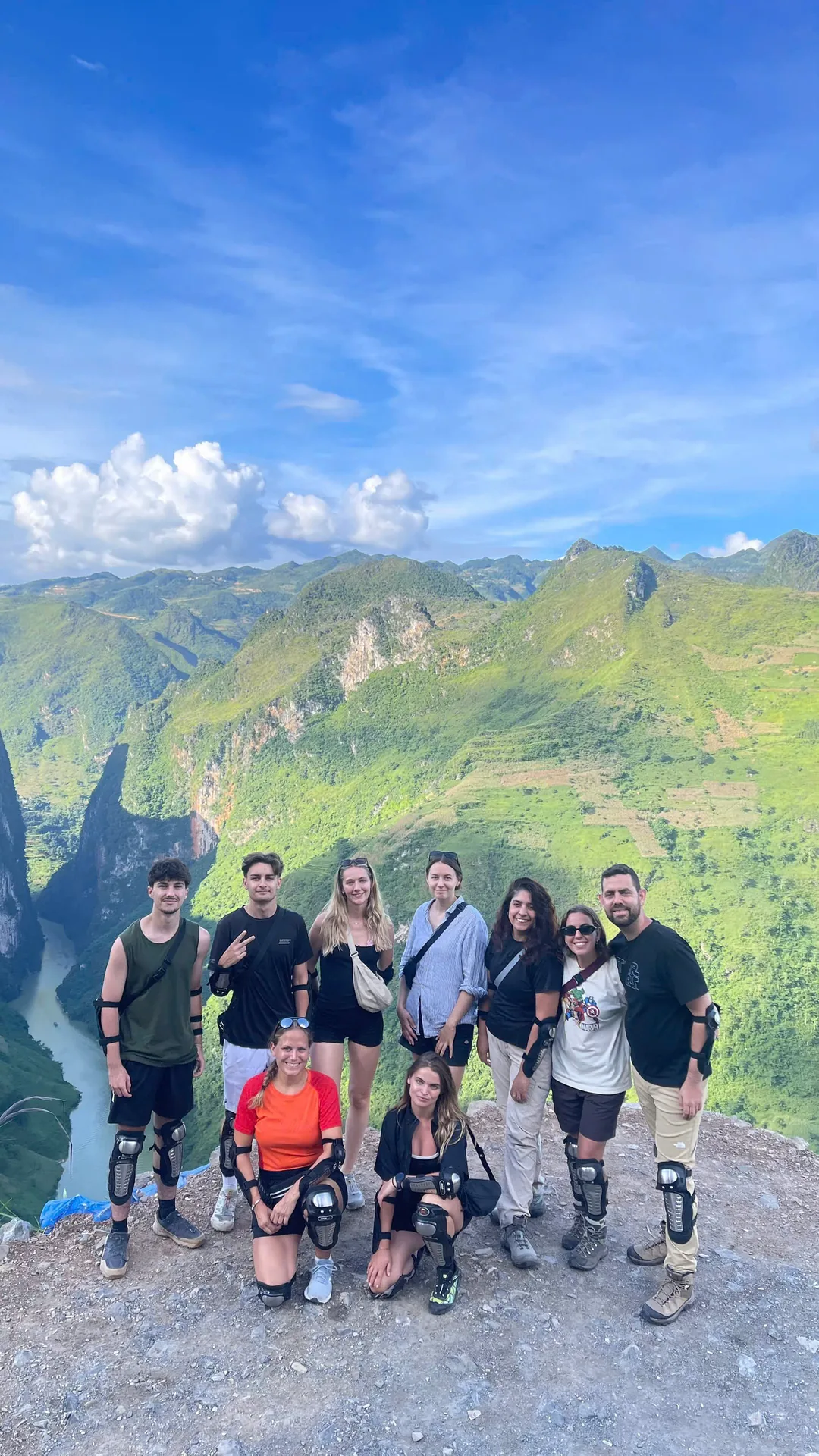
10 Aug 2026
Ha Giang Loop Deaths: The Safety Facts to Know Before You Ride
People do die on the Ha Giang Loop, and pretending otherwise helps nobody. Here is what actually goes wrong on these mountain roads, what the licence law says, and how to pick a way of riding that brings you home.
Read more →